Baroque Karaoke
Baroque Karaoke takes a sentence about nothing (a broken coffee machine, a missed appointment) and asks a language model to perform it as tragedy. Six historical figures, six eras, one system prompt swapping tone for grandeur. The banality doesn't disappear into the baroque frame. It sits inside it, still banal, now singing.
This started as a search for an AI interaction that felt fun, not just technically impressive. I wanted the AI to make something happen, not just make something. Karaoke kept resurfacing: an ordinary sentence, transformed into something performative enough to invite participation. The user doesn't read the output. They sing it. Consuming becomes performing. That shift is the whole project.
From there, the AI stopped being a text generator and started being a performer. Historical characters, theatrical personalities, a Hype Man mode: all ways of giving it presence. Not a chatbot. Someone trying to entertain a room, improvising, occasionally stealing the spotlight. Baroque Karaoke names what it became: excess, ornamentation, spectacle. Not karaoke. Karaoke with delusions of grandeur.
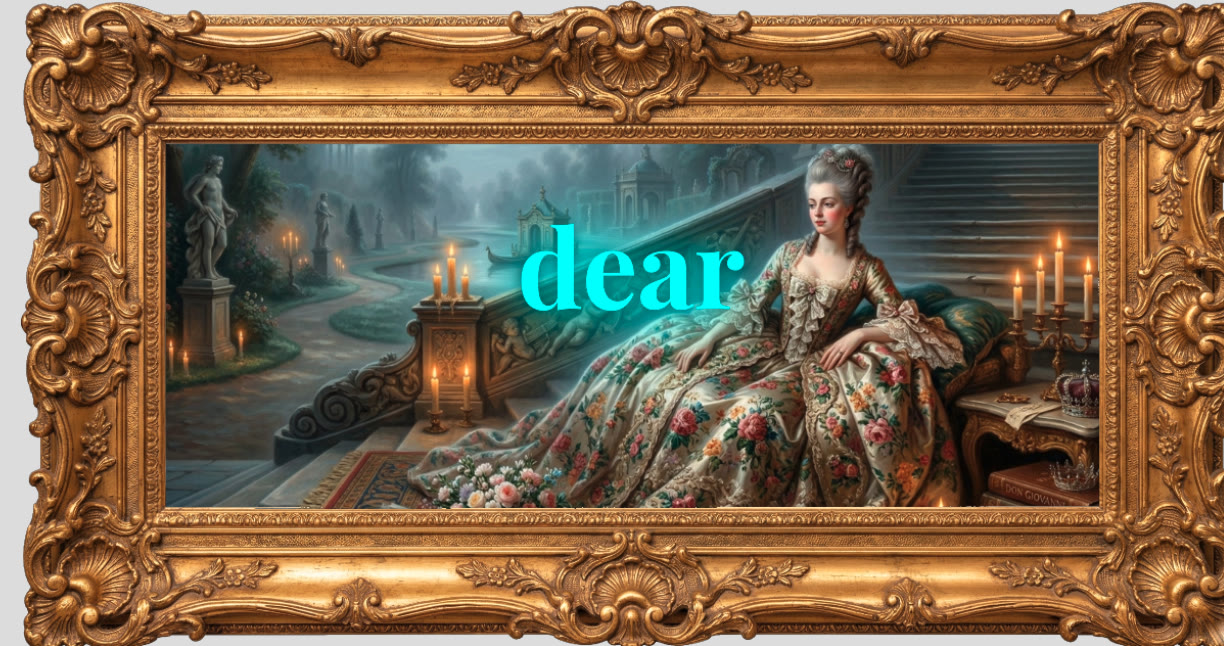
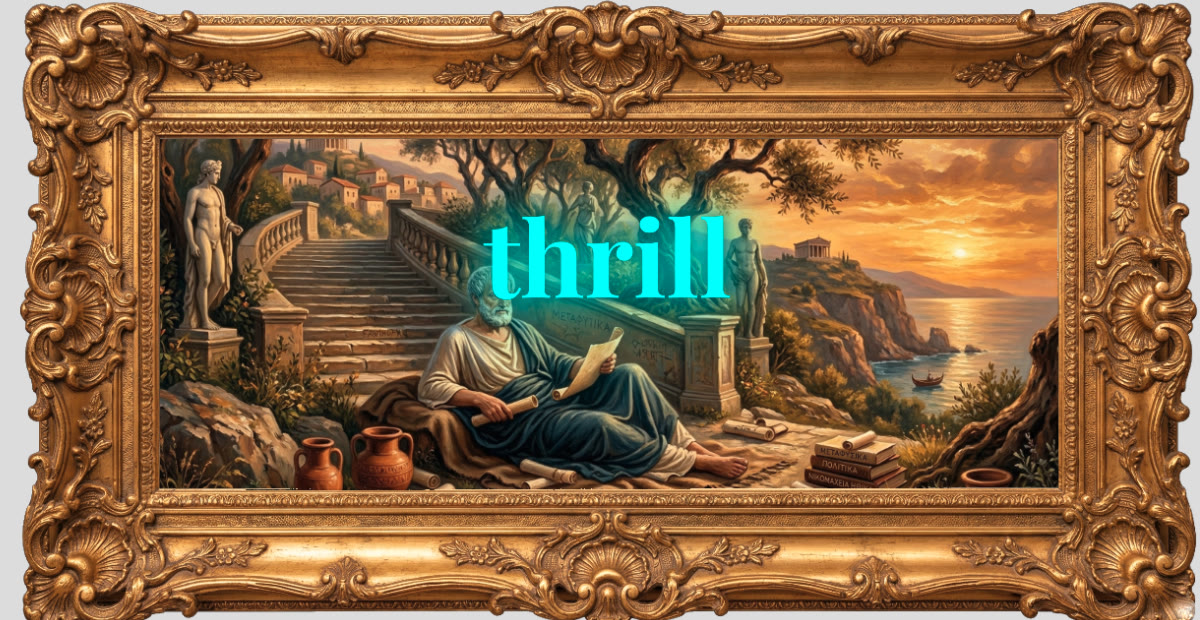
The system runs on three variables recombined at every performance: character, drama, and the sentence itself. A dropdown swaps Shakespeare for Napoleon for Aristotle: swaps the portrait, the era, the voice injected into the prompt. A slider called Drama moves the tone instruction from quiet dignity to operatic overwroughtness. The sentence stays exactly as banal as it was typed. GPT-4o-mini doesn't fix that. It performs it.
The banality doesn't disappear into the baroque frame. It sits inside it, still banal, now singing.
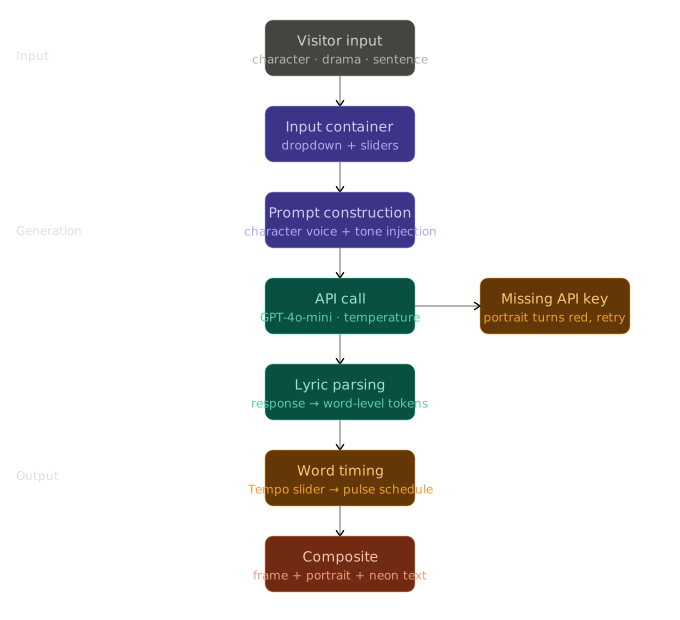
Underneath, seven modular containers in TouchDesigner handle input, prompt construction, the API call, lyric parsing, word timing, and the final composite: a brass plaque UI, a gilt frame, neon cyan text that pulses word by word over an oil-painted landscape. A Tempo slider controls scroll speed after generation; Temperature controls how far the model wanders before it. Failure is part of the design: a missing API key doesn't crash the piece, it turns the portrait red and asks you to try again.